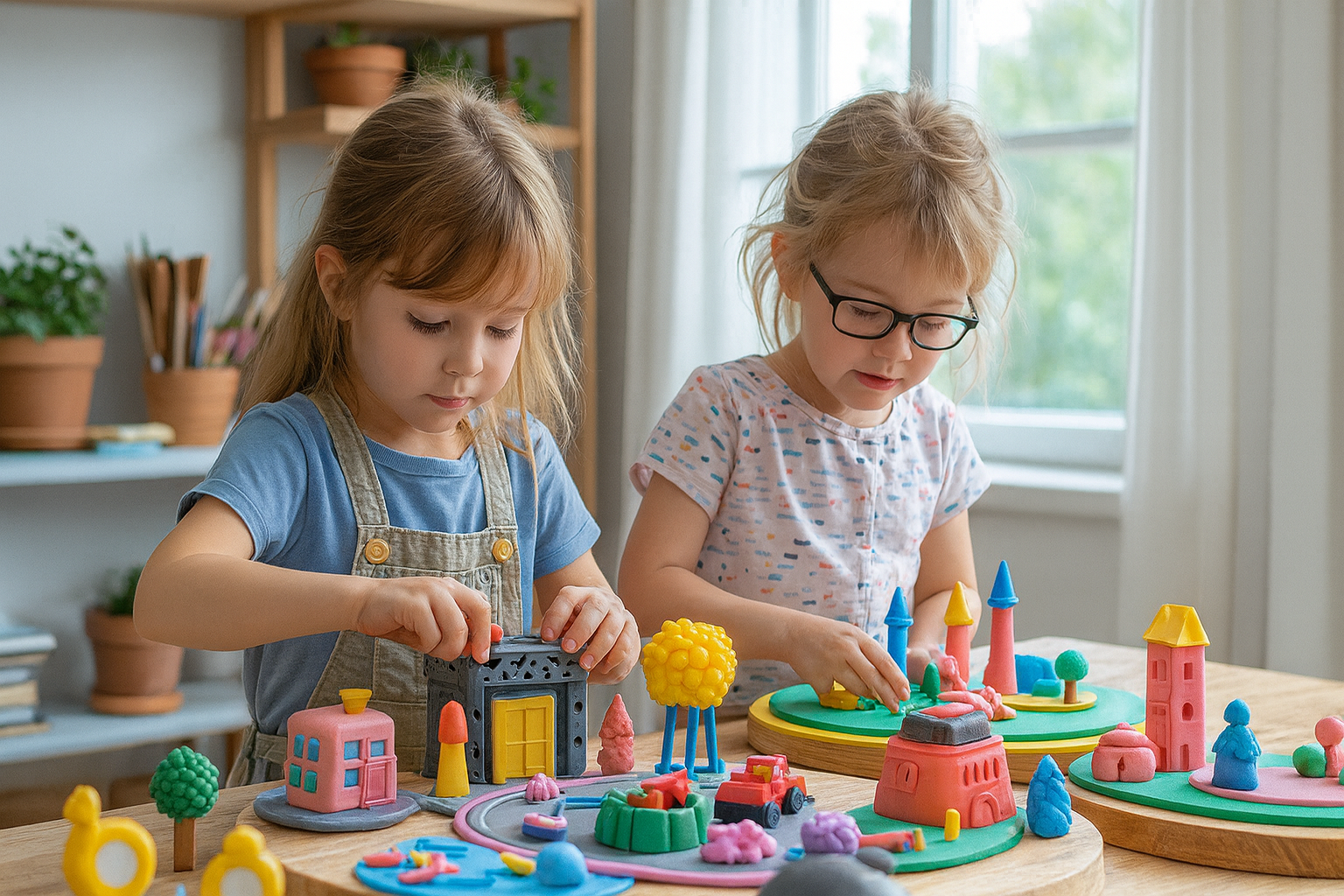
What if your table could turn into a tiny glowing city for the night? In this project, we invite little makers to design streets, homes, parks and characters using Jugnu multisensorial clay and everyday materials.
Why this activity?
Building a clay city helps children practise fine motor skills, planning, storytelling and sensory exploration. The materials are non-toxic and safe for supervised play.
Materials (what you'll need)
- Jugnu multisensorial clay (several colours)
- A rolling pin or smooth bottle, clay tools or a butter knife
- Cardboard scraps, toothpicks, beads, and small pebbles
- A tray or large sheet of paper as the "ground"
- Optional: small LED tealights for evening glow
Step 1: Plan your city
Start by asking simple questions: Where are the houses? Is there a river? What do the people (or animals!) do during the day? Encourage quick sketches (two-minute doodles) to visualise the layout.
Step 2: Build the base
Roll out a flat slab of clay for the ground (about 5–7mm thick). Use cardboard to cut roads and separate neighbourhoods. Press textures with forks, scrunched paper, or textured stamps to create pavements and lawns.
Step 3: Make houses, shops and trees
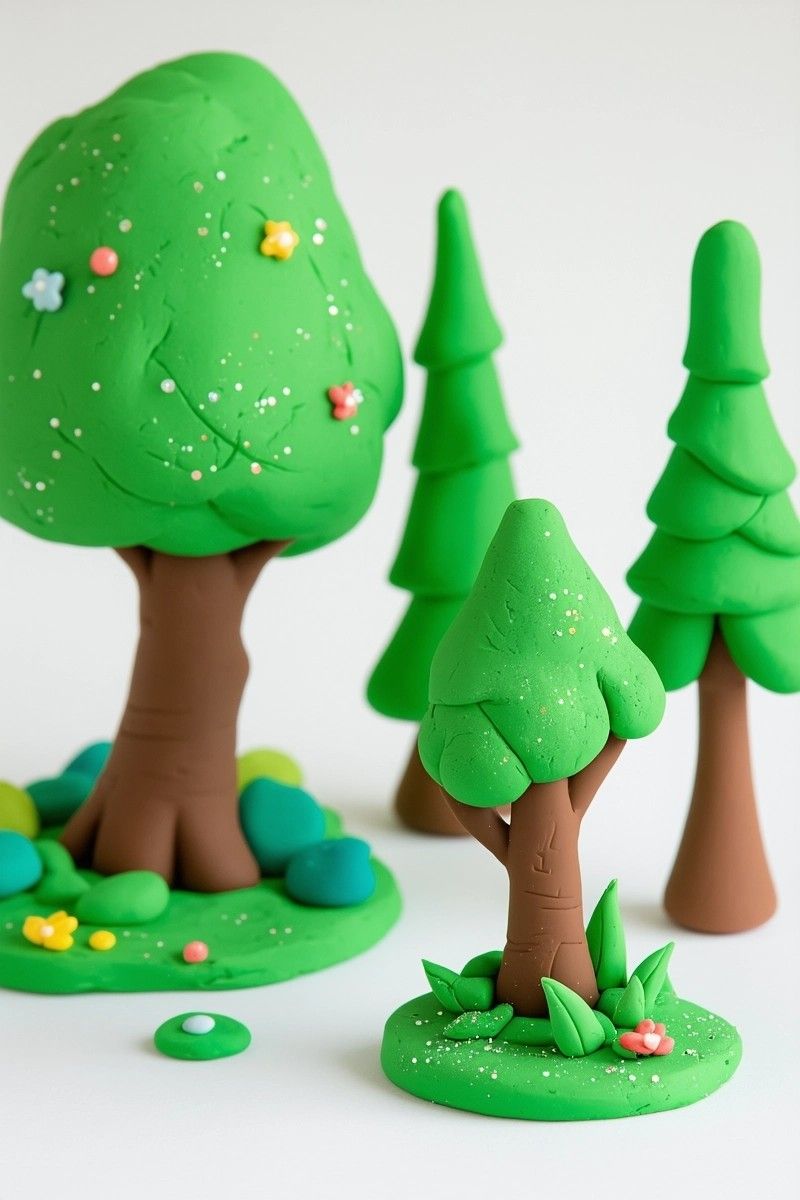
Use small clay blocks to form houses. Flatten for roofs, press a pebble for a window, or add a toothpick flag as a signboard. For trees, roll a thin trunk and top with a pinched ball of green clay — press in a leaf texture.
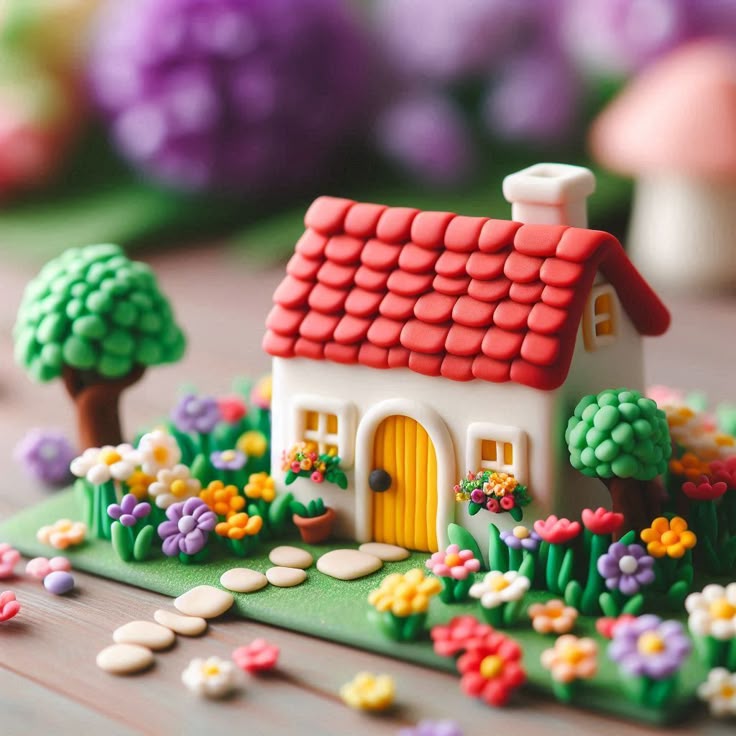
Use bright colours for important landmarks — cafés, the town library, or a toy factory.
Step 4: Add characters and stories
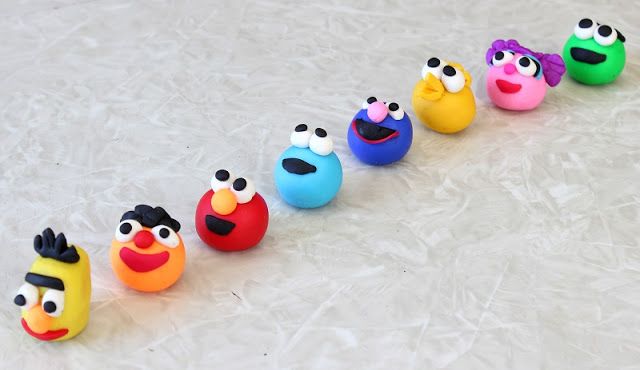
Encourage kids to invent short stories about the characters they add — a baker who rides a bicycle, a frog mayor, or a bird that delivers letters. The storytelling moment helps them connect emotionally with the scene.
Tips for parents & facilitators
- Keep the session short (30–45 mins) for younger children to maintain focus.
- Offer two challenges: a simple one for free-play and a 'mission' for older kids (e.g. create a bakery that glows at night).
- Use LED tealights safely: place them outside the clay and supervise their use.
Variations & follow-ups
Turn this into a week-long project: each day add a new district (park, harbor, market). Photograph daily changes and create a simple zine of the city story.
Safety & cleanup
Jugnu clay is non-toxic but not edible, keep snacks separate and wash hands after play. Store leftover clay in airtight containers to keep it soft for the next session.
Downloads / Printables
(Optional) Provide a printable city map and a small prompt sheet that helps kids choose a "character", "building type", and a "quirk" to add to their story.
Full example project (walkthrough)
1) Day 1 - Lay the base and make houses.
2) Day 2 - Make the main street and market.
3) Day 3 - Add vehicles, trees and characters.
4) Day 4 - Add evening lights and photograph the city for a mini-gallery.
Inspiration
This activity is inspired by playful urbanism and traditional miniature craft practices. It celebrates curiosity, re-use and the joy of small-scale making.